


AI Platforms Have Access to Your Business Data. Now What?

AI Platforms Have Access to Your Business Data. Now What?
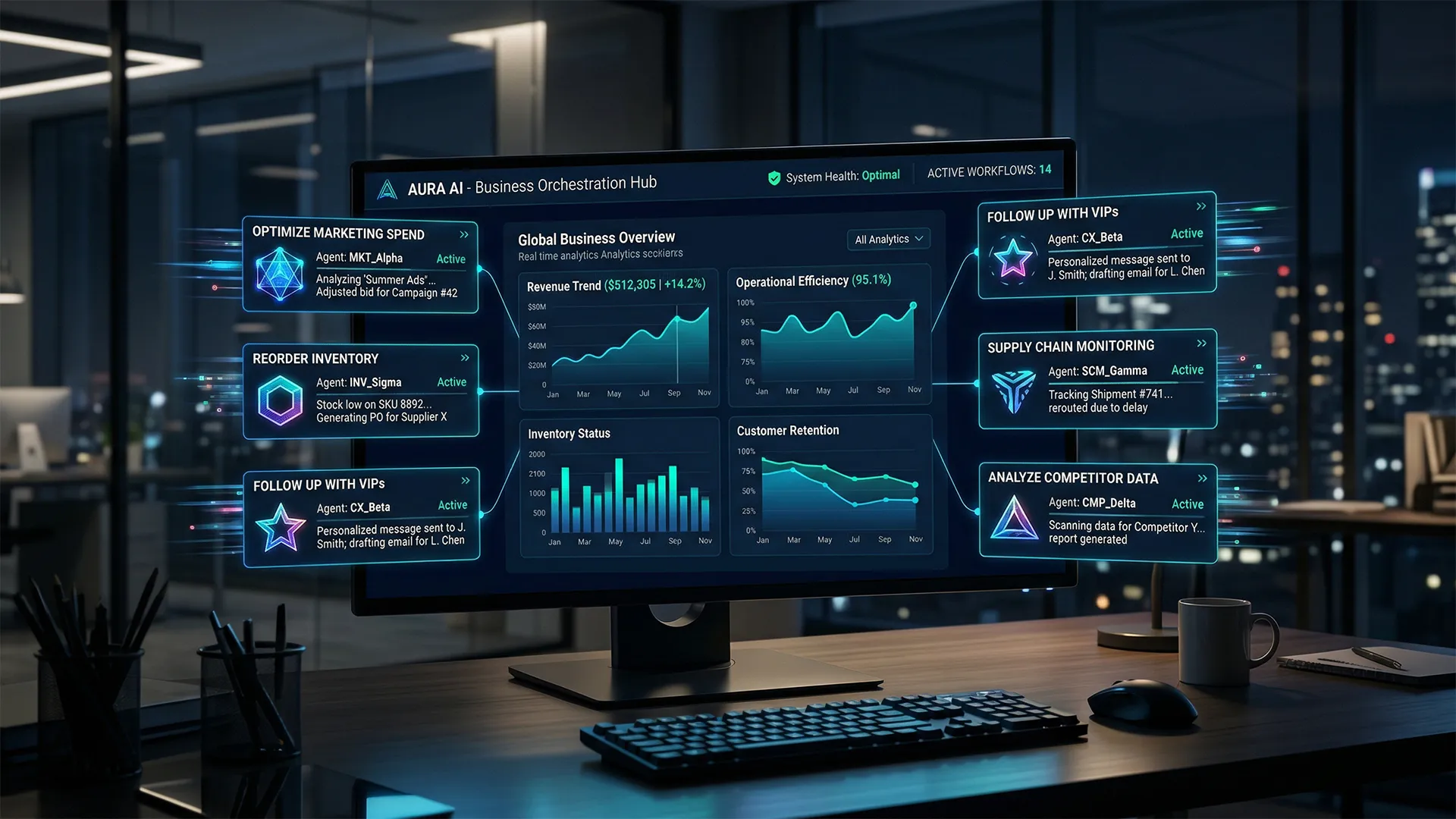
AI platforms can now open your files, operate your browser, run your development tools, and take action across your business systems without waiting for you to direct each step.
They can work while you are in a meeting, while you are with a client, while you are asleep. They can read your codebase, pull data from your CRM, write to your databases, and build a persistent memory of how your team works across every session.
That capability is valuable. It is also consequential.
The question most businesses have not formally answered is where one ends and the other begins.
The Access Is Broader Than Most Businesses Realize
When an AI platform is connected to your business environment, it is reading files, processing documents through external servers, storing conversation history, and in many cases building a cumulative profile of your work across every interaction.
The default settings on most platforms retain significantly more than users expect.
ChatGPT, for example, stores your conversations and uploaded files, builds persistent memory across sessions, and on consumer and Plus tiers uses that data to train future models unless you manually opt out.
When you delete a conversation it disappears from your view but remains on OpenAI's servers for up to 30 days, longer in cases involving legal or safety requirements.
For a business that has used the platform to work through client proposals, contracts, or financial data, that is not a trivial thing to leave on default.
Autonomous agents extend the exposure further.
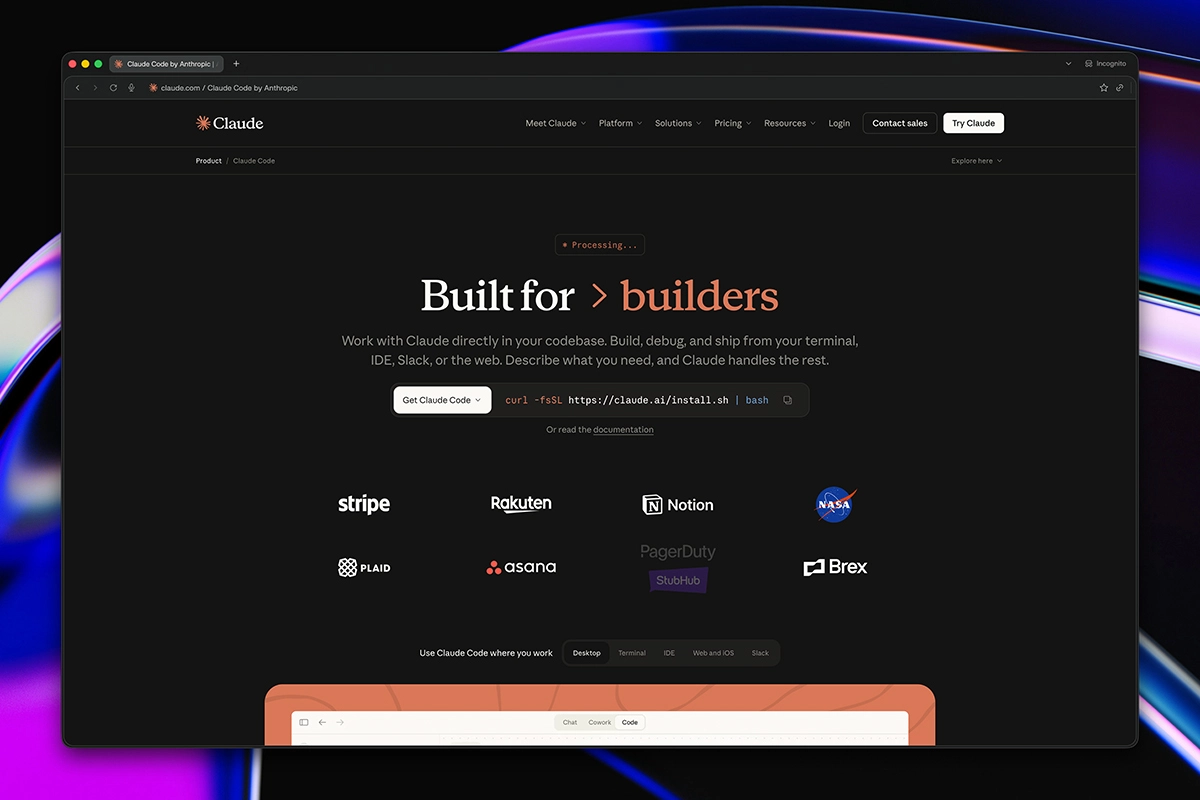
Anthropic recently announced that Claude now has computer use capabilities, able to open files, operate browsers, and run development tools without step-by-step direction. Claude Cowork can connect to your business systems and take action while you are focused elsewhere.
A platform operating at that level is not just answering questions. It is making decisions across your environment. Security researchers have identified situations where AI platforms connected to business systems were pulling data, writing to databases, and modifying files with no IT visibility into what was being accessed or changed.
The employees who set it up had good intentions. The organizations had no clear picture of what they had authorized.
The Upside Is Equally Real
The operational gains are substantial, and the businesses figuring out how to use these platforms well are building a real advantage.
Autonomous agents handling overnight tasks return completed work by morning. Teams with AI embedded in their workflows operate at a scale that previously required significantly more people and time.
The ability to connect a platform to your internal systems and let it work across complex, multi-step processes is genuinely new territory, and the organizations taking it seriously are already ahead.
Deploying these platforms without a deliberate framework for what they can access and under what terms is where organizations accumulate risk they never intended to carry.
Where Convenience Becomes a Liability
AI platforms are designed to reduce friction at every step, and that design works against careful governance if an organization is not paying attention.
The way it typically unfolds:
- A platform requests access to a system and someone approves it because the task is easier with it
- Memory features stay on because they make the experience more useful and nobody changes the default
- Autonomous operation gets expanded permissions because the confirmation prompts were slowing things down
Each of those decisions is individually defensible. Together they produce a data posture that nobody in the organization would have chosen if asked to design it from scratch.
Samsung encountered this in 2023 when engineers accidentally uploaded proprietary chip design data while using an AI platform for a routine task.
The data had left the building before anyone realized it was gone.
JPMorgan Chase, Goldman Sachs, and a growing number of major organizations have since implemented formal restrictions on which platforms employees can use and what categories of information can flow through them.
Organizations that made a deliberate decision about where their line sits, before an incident forced the conversation.
The exposure rarely comes from a platform doing something unexpected. It comes from an organization that never formally decided what it was comfortable with.
The Decision Big Pixel Made
At Big Pixel, we removed our team from ChatGPT.
We use AI platforms extensively and they have changed what we can accomplish for clients.
This decision came down to alignment.
When we examined how the platform handles data, what it retains, how it uses conversation history, and what the default settings actually mean for a business working with client information, we concluded it did not reflect the standards we hold ourselves to.
We believe that business is built on transparency and trust, and we believe good software is built the same way. That belief extends to the platforms we choose to work with.
Opting out of a widely adopted platform involves real friction. We decided the friction was worth it.
That decision also pushed us toward platforms built with enterprise governance as a genuine design priority.
The difference in how those tools handle data, access controls, and retention is meaningful, and worth understanding before assuming that a business tier of a consumer product resolves the underlying question.
Questions Worth Asking Before You Go Further
What are your platforms retaining by default?
Most retain significantly more than users realize. Reviewing the privacy policy and current configuration for each platform your team uses is basic due diligence for any tool handling your business data.
Has your team been given clear guidelines on what can and cannot be shared?
The most common source of exposure is an employee sharing something sensitive without thinking through the implications. A clear internal policy reduces that risk more than any technical control.
Do you know which business systems are connected to these platforms?
A platform with access to your CRM, cloud storage, or email has a considerably larger footprint than a standalone interface. That access should be something you granted consciously, with a full understanding of what it reaches.
Are you comfortable with how your data is being used to improve future models?
Many businesses would say no if asked directly, but have never changed the default setting that allows it. Worth verifying across every platform your team uses.
If your most sensitive client information ended up inside a prompt, what would the consequences be?
Working backward from that question clarifies where your actual line is faster than anything else. Most organizations find the answer makes their policy straightforward.
The platforms available right now can meaningfully change how your business operates.
That is worth embracing, deliberately and with the same care you bring to any decision about how your business runs.

AI Platforms Have Access to Your Business Data. Now What?

AI Platforms Have Access to Your Business Data. Now What?
AI platforms can now open your files, operate your browser, run your development tools, and take action across your business systems without waiting for you to direct each step.
They can work while you are in a meeting, while you are with a client, while you are asleep. They can read your codebase, pull data from your CRM, write to your databases, and build a persistent memory of how your team works across every session.
That capability is valuable. It is also consequential.
The question most businesses have not formally answered is where one ends and the other begins.
The Access Is Broader Than Most Businesses Realize
When an AI platform is connected to your business environment, it is reading files, processing documents through external servers, storing conversation history, and in many cases building a cumulative profile of your work across every interaction.
The default settings on most platforms retain significantly more than users expect.
ChatGPT, for example, stores your conversations and uploaded files, builds persistent memory across sessions, and on consumer and Plus tiers uses that data to train future models unless you manually opt out.
When you delete a conversation it disappears from your view but remains on OpenAI's servers for up to 30 days, longer in cases involving legal or safety requirements.
For a business that has used the platform to work through client proposals, contracts, or financial data, that is not a trivial thing to leave on default.
Autonomous agents extend the exposure further.
Anthropic recently announced that Claude now has computer use capabilities, able to open files, operate browsers, and run development tools without step-by-step direction. Claude Cowork can connect to your business systems and take action while you are focused elsewhere.
A platform operating at that level is not just answering questions. It is making decisions across your environment. Security researchers have identified situations where AI platforms connected to business systems were pulling data, writing to databases, and modifying files with no IT visibility into what was being accessed or changed.
The employees who set it up had good intentions. The organizations had no clear picture of what they had authorized.
The Upside Is Equally Real
The operational gains are substantial, and the businesses figuring out how to use these platforms well are building a real advantage.
Autonomous agents handling overnight tasks return completed work by morning. Teams with AI embedded in their workflows operate at a scale that previously required significantly more people and time.
The ability to connect a platform to your internal systems and let it work across complex, multi-step processes is genuinely new territory, and the organizations taking it seriously are already ahead.
Deploying these platforms without a deliberate framework for what they can access and under what terms is where organizations accumulate risk they never intended to carry.
Where Convenience Becomes a Liability
AI platforms are designed to reduce friction at every step, and that design works against careful governance if an organization is not paying attention.
The way it typically unfolds:
- A platform requests access to a system and someone approves it because the task is easier with it
- Memory features stay on because they make the experience more useful and nobody changes the default
- Autonomous operation gets expanded permissions because the confirmation prompts were slowing things down
Each of those decisions is individually defensible. Together they produce a data posture that nobody in the organization would have chosen if asked to design it from scratch.
Samsung encountered this in 2023 when engineers accidentally uploaded proprietary chip design data while using an AI platform for a routine task.
The data had left the building before anyone realized it was gone.
JPMorgan Chase, Goldman Sachs, and a growing number of major organizations have since implemented formal restrictions on which platforms employees can use and what categories of information can flow through them.
Organizations that made a deliberate decision about where their line sits, before an incident forced the conversation.
The exposure rarely comes from a platform doing something unexpected. It comes from an organization that never formally decided what it was comfortable with.
The Decision Big Pixel Made
At Big Pixel, we removed our team from ChatGPT.
We use AI platforms extensively and they have changed what we can accomplish for clients.
This decision came down to alignment.
When we examined how the platform handles data, what it retains, how it uses conversation history, and what the default settings actually mean for a business working with client information, we concluded it did not reflect the standards we hold ourselves to.
We believe that business is built on transparency and trust, and we believe good software is built the same way. That belief extends to the platforms we choose to work with.
Opting out of a widely adopted platform involves real friction. We decided the friction was worth it.
That decision also pushed us toward platforms built with enterprise governance as a genuine design priority.
The difference in how those tools handle data, access controls, and retention is meaningful, and worth understanding before assuming that a business tier of a consumer product resolves the underlying question.
Questions Worth Asking Before You Go Further
What are your platforms retaining by default?
Most retain significantly more than users realize. Reviewing the privacy policy and current configuration for each platform your team uses is basic due diligence for any tool handling your business data.
Has your team been given clear guidelines on what can and cannot be shared?
The most common source of exposure is an employee sharing something sensitive without thinking through the implications. A clear internal policy reduces that risk more than any technical control.
Do you know which business systems are connected to these platforms?
A platform with access to your CRM, cloud storage, or email has a considerably larger footprint than a standalone interface. That access should be something you granted consciously, with a full understanding of what it reaches.
Are you comfortable with how your data is being used to improve future models?
Many businesses would say no if asked directly, but have never changed the default setting that allows it. Worth verifying across every platform your team uses.
If your most sensitive client information ended up inside a prompt, what would the consequences be?
Working backward from that question clarifies where your actual line is faster than anything else. Most organizations find the answer makes their policy straightforward.
The platforms available right now can meaningfully change how your business operates.
That is worth embracing, deliberately and with the same care you bring to any decision about how your business runs.
Our superpower is custom software development that gets it done.


