


The End Of MidJourney? Why Nano Banana Might Be The New Standard For Designers

The End Of MidJourney? Why Nano Banana Might Be The New Standard For Designers
Design rarely changes all at once.
It shifts in small ways until one day a team looks around and realizes the tools they’ve relied on no longer match the work they’re expected to deliver.
For years, MidJourney shaped the visual language of AI art. It opened doors, pushed boundaries, and gave designers a way to explore ideas at a pace that once felt impossible.
But the needs of modern design have matured, and with that maturity comes a clear expectation for accuracy, control, and consistency.
Into the spotlight steps Nano Banana, Google’s practical and surprisingly grounded approach to image generation.
The name may be whimsical, but it's a serious upgrade for creative teams.
Designers across disciplines have begun leaning on it not because it replaces imagination, but because it supports the part of the work where imagination turns into deliverables.
MidJourney: The Visionary That Redefined AI Aesthetics
MidJourney arrived as a revelation.
It produced painterly scenes with rich, surreal textures that felt almost mythic.
For the first time, non-artists could generate studio-grade artwork with a simple prompt.
Creative teams loved it for what it enabled: exploration without limits. It gave designers mood, tone, and atmosphere in seconds. It let marketers visualize campaigns before a single asset was created. It lets product teams ideate in broad strokes rather than start from scratch.
Its strengths were clear.
MidJourney thrives in aesthetic invention. It blends styles with ease. It generates worlds that never existed in the first place.
It remains powerful for concept art and image-driven imagination.
But those same strengths hint at why it struggles in production settings. MidJourney is built for expressive output, not structured revision.
Ask it to adjust a hand or correct a detail and the entire composition often shifts. Try to match a character across three images and subtle drift appears. Text rarely lands cleanly. Backgrounds warp during iteration. Simple edits become full recreations. It can feel like the model is trying to pursue its own vision rather than support yours.
That tension makes MidJourney inspiring, yet unreliable when teams need to deliver work that aligns with brand standards, technical requirements, and deadlines.
For exploratory work it still shines.
For execution, the demands have outgrown what it offers.
Nano Banana: Google’s Practical Answer To Real Design Work
Nano Banana, powered by Google’s Gemini image models, steps into the same arena with a different philosophy.
It is not trying to be an art generator. It is trying to be a design tool.
Where MidJourney leans into expressive style, Nano Banana leans into structural precision.
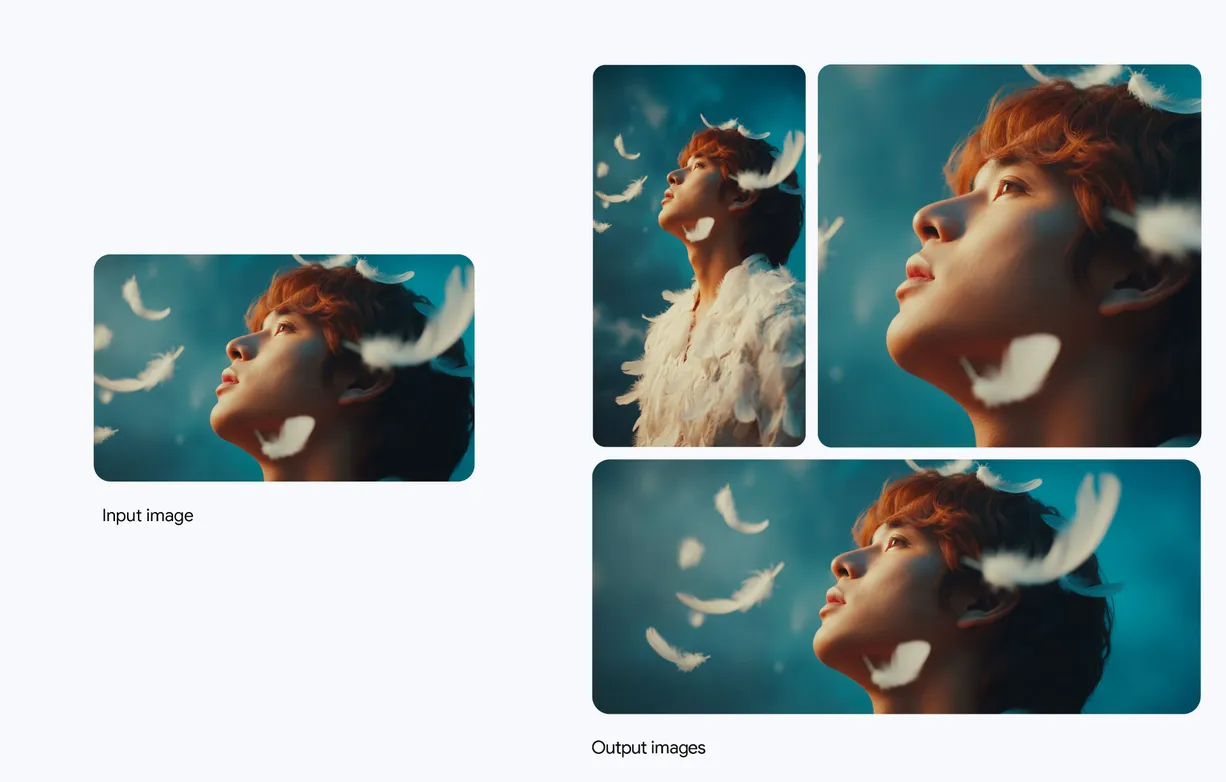
It preserves identity across edits. It maintains lighting integrity even when scenes shift. It produces clean, legible text. It respects spatial relationships. It works in multiple aspect ratios. It responds to plain language without requiring prompt gymnastics.
Just as important, it handles revisions with the predictability designers expect from software meant for professional work. You can upload an image and make surgical adjustments without destabilizing the composition. You can revise clothing, background, or posture without character drift.
You can create a series of consistent images that feel like they belong together rather than distant cousins.
For many designers, that single quality carries more weight than any artistic flourish.
The Pain Gap: What Happens When A Tool Inspires You But Slows You Down
Designers rarely abandon a tool because of aesthetics.
They move on when friction becomes unsustainable. And the friction that has built around MidJourney comes from one main source: inconsistency.
A team can spend an entire morning refining a visual only to lose it during a small revision.
A product designer trying to create a series of lifestyle variations ends up with a folder full of beautiful images that do not relate to one another.
A marketing team trying to adjust a heading discovers that type output still falls short of professional standards.
A brand trying to maintain character identity across a campaign watches subtle changes compound into a breakdown of cohesion.
These problems slow teams down in ways that do not feel dramatic but carry emotional weight.
Designers crave momentum.
That emotional fatigue sits at the heart of this shift.
Teams didn’t just lose interest in MidJourney, they stopped trusting it.
How Nano Banana Closes That Gap
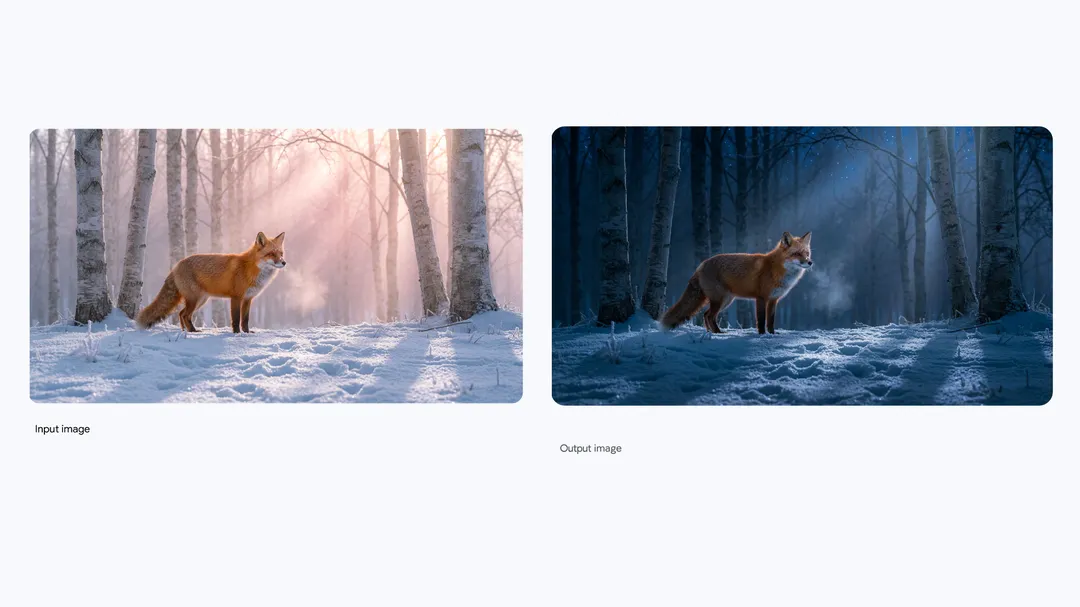
A designer uploads an approved product shot. They adjust lighting. Nano Banana keeps the subject intact.
They change the environment. Nano Banana recognizes context.
They create seasonal variations. Nano Banana maintains identity.
They add text. The lettering remains clean enough for real campaigns.
They make revision after revision without the tool drifting away from the original intent.
Nothing feels like starting over.
When a tool removes points of friction, teams regain the feeling that the work is moving forward.
They recover the small sense of satisfaction that comes from seeing progress instead of watching it slip away.
Nano Banana brings that feeling back to designers who have spent months wrestling with models that can produce incredible art but struggle with the details that make images usable.
Nano Banana is not replacing the creative spark.
It supports craftsmanship.
Why MidJourney May Be Losing Ground In Professional Settings
MidJourney's place in the creative ecosystem remains important.
It still generates stunning art and still inspires millions. But the expectations of modern design teams have shifted.
They need consistency over drama. They need edits over reinvention. They need structure over spontaneity. They need assets they can revise, not just admire.
MidJourney can deliver imagination. Nano Banana can deliver continuity.
This is why creative teams are not abandoning MidJourney. They are repositioning it. It becomes the spark, not the engine.
It becomes the mood, not the final asset. It becomes a reference point, not the deliverable.
Nano Banana steps into the space where teams need control, accuracy, and reliable iteration.
Why Big Pixel Pays Attention To This Shift
Big Pixel works at the intersection of design, engineering, and business outcomes.
Our clients do not hire us for one-off visuals.
They hire us for clarity, consistency, and execution that holds up when the stakes are real.
When a tool fits the way our teams work, we pay attention. When a tool creates friction, we move on.
Nano Banana aligns with the philosophy at the center of our work.
We believe that business is built on transparency and trust. We believe that good software is built the same way.
A tool that behaves predictably supports that belief. A tool that reconstructs intent during every revision does not.
We are not interested in chasing trends. We are interested in choosing tools that honor the responsibility we carry for our clients.
Nano Banana fits the day-to-day realities of that responsibility in a way MidJourney no longer does.
This shift is already visible in creative teams who rely on output that supports production, not just exploration.
That shift will accelerate as more designers experience the difference between a tool that generates beauty and a tool that supports real work.
Nano Banana represents a new standard for professional design because it respects the shape of modern creative work.
It provides stability without limiting imagination. It reduces friction without flattening style. It supports the designer rather than competing with them.
That is the real transformation happening now.
Not the end of MidJourney.
The beginning of a more grounded future for AI-driven design.

The End Of MidJourney? Why Nano Banana Might Be The New Standard For Designers

The End Of MidJourney? Why Nano Banana Might Be The New Standard For Designers
Design rarely changes all at once.
It shifts in small ways until one day a team looks around and realizes the tools they’ve relied on no longer match the work they’re expected to deliver.
For years, MidJourney shaped the visual language of AI art. It opened doors, pushed boundaries, and gave designers a way to explore ideas at a pace that once felt impossible.
But the needs of modern design have matured, and with that maturity comes a clear expectation for accuracy, control, and consistency.
Into the spotlight steps Nano Banana, Google’s practical and surprisingly grounded approach to image generation.
The name may be whimsical, but it's a serious upgrade for creative teams.
Designers across disciplines have begun leaning on it not because it replaces imagination, but because it supports the part of the work where imagination turns into deliverables.
MidJourney: The Visionary That Redefined AI Aesthetics
MidJourney arrived as a revelation.
It produced painterly scenes with rich, surreal textures that felt almost mythic.
For the first time, non-artists could generate studio-grade artwork with a simple prompt.
Creative teams loved it for what it enabled: exploration without limits. It gave designers mood, tone, and atmosphere in seconds. It let marketers visualize campaigns before a single asset was created. It lets product teams ideate in broad strokes rather than start from scratch.
Its strengths were clear.
MidJourney thrives in aesthetic invention. It blends styles with ease. It generates worlds that never existed in the first place.
It remains powerful for concept art and image-driven imagination.
But those same strengths hint at why it struggles in production settings. MidJourney is built for expressive output, not structured revision.
Ask it to adjust a hand or correct a detail and the entire composition often shifts. Try to match a character across three images and subtle drift appears. Text rarely lands cleanly. Backgrounds warp during iteration. Simple edits become full recreations. It can feel like the model is trying to pursue its own vision rather than support yours.
That tension makes MidJourney inspiring, yet unreliable when teams need to deliver work that aligns with brand standards, technical requirements, and deadlines.
For exploratory work it still shines.
For execution, the demands have outgrown what it offers.
Nano Banana: Google’s Practical Answer To Real Design Work
Nano Banana, powered by Google’s Gemini image models, steps into the same arena with a different philosophy.
It is not trying to be an art generator. It is trying to be a design tool.
Where MidJourney leans into expressive style, Nano Banana leans into structural precision.
It preserves identity across edits. It maintains lighting integrity even when scenes shift. It produces clean, legible text. It respects spatial relationships. It works in multiple aspect ratios. It responds to plain language without requiring prompt gymnastics.
Just as important, it handles revisions with the predictability designers expect from software meant for professional work. You can upload an image and make surgical adjustments without destabilizing the composition. You can revise clothing, background, or posture without character drift.
You can create a series of consistent images that feel like they belong together rather than distant cousins.
For many designers, that single quality carries more weight than any artistic flourish.
The Pain Gap: What Happens When A Tool Inspires You But Slows You Down
Designers rarely abandon a tool because of aesthetics.
They move on when friction becomes unsustainable. And the friction that has built around MidJourney comes from one main source: inconsistency.
A team can spend an entire morning refining a visual only to lose it during a small revision.
A product designer trying to create a series of lifestyle variations ends up with a folder full of beautiful images that do not relate to one another.
A marketing team trying to adjust a heading discovers that type output still falls short of professional standards.
A brand trying to maintain character identity across a campaign watches subtle changes compound into a breakdown of cohesion.
These problems slow teams down in ways that do not feel dramatic but carry emotional weight.
Designers crave momentum.
That emotional fatigue sits at the heart of this shift.
Teams didn’t just lose interest in MidJourney, they stopped trusting it.
How Nano Banana Closes That Gap
A designer uploads an approved product shot. They adjust lighting. Nano Banana keeps the subject intact.
They change the environment. Nano Banana recognizes context.
They create seasonal variations. Nano Banana maintains identity.
They add text. The lettering remains clean enough for real campaigns.
They make revision after revision without the tool drifting away from the original intent.
Nothing feels like starting over.
When a tool removes points of friction, teams regain the feeling that the work is moving forward.
They recover the small sense of satisfaction that comes from seeing progress instead of watching it slip away.
Nano Banana brings that feeling back to designers who have spent months wrestling with models that can produce incredible art but struggle with the details that make images usable.
Nano Banana is not replacing the creative spark.
It supports craftsmanship.
Why MidJourney May Be Losing Ground In Professional Settings
MidJourney's place in the creative ecosystem remains important.
It still generates stunning art and still inspires millions. But the expectations of modern design teams have shifted.
They need consistency over drama. They need edits over reinvention. They need structure over spontaneity. They need assets they can revise, not just admire.
MidJourney can deliver imagination. Nano Banana can deliver continuity.
This is why creative teams are not abandoning MidJourney. They are repositioning it. It becomes the spark, not the engine.
It becomes the mood, not the final asset. It becomes a reference point, not the deliverable.
Nano Banana steps into the space where teams need control, accuracy, and reliable iteration.
Why Big Pixel Pays Attention To This Shift
Big Pixel works at the intersection of design, engineering, and business outcomes.
Our clients do not hire us for one-off visuals.
They hire us for clarity, consistency, and execution that holds up when the stakes are real.
When a tool fits the way our teams work, we pay attention. When a tool creates friction, we move on.
Nano Banana aligns with the philosophy at the center of our work.
We believe that business is built on transparency and trust. We believe that good software is built the same way.
A tool that behaves predictably supports that belief. A tool that reconstructs intent during every revision does not.
We are not interested in chasing trends. We are interested in choosing tools that honor the responsibility we carry for our clients.
Nano Banana fits the day-to-day realities of that responsibility in a way MidJourney no longer does.
This shift is already visible in creative teams who rely on output that supports production, not just exploration.
That shift will accelerate as more designers experience the difference between a tool that generates beauty and a tool that supports real work.
Nano Banana represents a new standard for professional design because it respects the shape of modern creative work.
It provides stability without limiting imagination. It reduces friction without flattening style. It supports the designer rather than competing with them.
That is the real transformation happening now.
Not the end of MidJourney.
The beginning of a more grounded future for AI-driven design.
Our superpower is custom software development that gets it done.


