Food for Thought w/ Kevin Allen

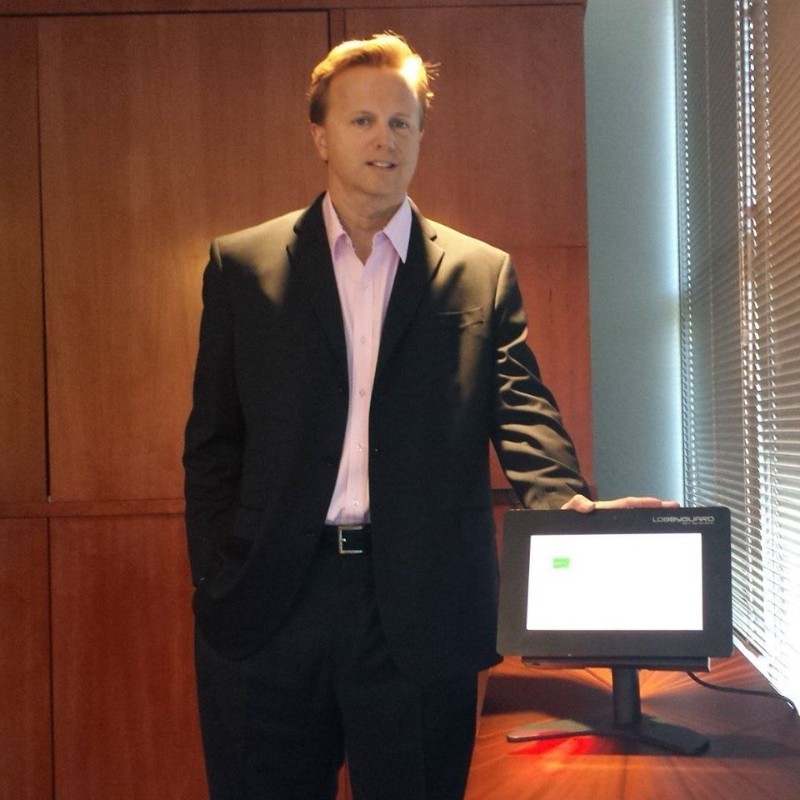
Kevin Allen has built and sold more companies than most people start. His latest? Riziki AI; a social media platform helping restaurateurs find their voice and grow their brand. But this episode isn’t just about his current venture. It’s about what it takes to build teams that last, cultures that don’t crumble, and products that solve real problems.
Kevin joins David and Gary to talk through the realities of being a serial founder, the cost of hiring wrong, and why trust, not tactics, is what actually scales.
Smart, sharp, and refreshingly honest; this one’s for anyone trying to build something that goes the distance.
[00:00:00] Kevin: A lot of people are saying there's gonna be a trillionaire, like maybe Musk or who knows who will be a living trillionaire before we see the end of this whole cycle.
[00:00:08] David: That goes off in to a million different questions. That's a lot of money.
[00:00:14] David: Hi everyone. Welcome to the BizDev Podcast, the podcast about developing your business. I'm David Baxter, your host, and I'm joined per usual by Gary Voight, who I'm gonna totally ignore 'cause I'm really excited about our guest today. His name is Kevin Allen and I've known Kevin for almost 20 years. He is, his current title is the CEO and Co-founder of Raki. I like Kevin, I'm totally ignoring Gary, and this is a lot of fun.
[00:00:40] Kevin: That is my current title. Again, as I told you before, I wear lots of hats as we try to get the wind under the wings with zeki.
[00:00:48] David: Fair enough. Okay, so hi Gary. I will say hello to you. You are actually here. I'm not making this up.
[00:00:54] Gary: Yeah. Hi guys. I'll just go back on mute.
[00:00:57] David: There you Go Perfect. Perfect. Now this is a lot of fun for me 'cause I don't get to interview people I've known for a long time. Very often. I think this is the second time we've done this, where I've interviewed someone I actually know for a long time. So Kevin and I met at my old job before Big Pixel. He was the CEO of lobby guard. Which was a visitor management software piece. And he sold that and exited that and it was all magical. And he has been doing all sorts of things, but his current venture are you a serial entrepreneur now? Is that what we get to call you?
[00:01:28] Kevin: I don't even know what that means. I hear that term a lot. Prob probably not. I'm more of a crazy person and just keeps, trying and trying until you hit something. That's
[00:01:36] David: you've succeeded several times you should get, take some credit where it's due. But Gary's actually worked with you in the past on several things over the years. You did logos and stuff for you years ago.
[00:01:45] Gary: I've done some graphics for a lobby guard and stuff like that.
[00:01:48] Kevin: Very cool. That,
[00:01:49] David: so
[00:01:50] Kevin: That was good work then. 'cause y'all, you guys gave us some great UI and logo work.
[00:01:55] David: so tell me, gimme the 30,000 foot of Zeki. What are we working with this time?
[00:01:59] Kevin: Yeah, absolutely. So I know almost nothing about AI and even less about re restaurants, so I thought it would be a good idea to start a company focused on AI for restaurants.
So we're getting in. Yeah, so we're getting into a space that's new for not just me, but we have six people on our team. Only one of us has any real restaurant experience, but we're learning quickly about what is needed to help restaurants with one of their major, I want to call it shortcomings, but there's a major problem that a lot of restaurants have, and that is that they rely very heavily on digital media, social media, for their advertising. 'cause it is free, it's very effective, and you can put as much out there as you have time to put out there. So they rely on that for brand awareness and things like that. The problem that restaurants have is that they don't generally have the resources or time or expertise to do the best of jobs when it comes to posting to social media, maximizing what they're doing and that kind of thing. So what Zeki seeks to do is provide those restaurant operators, and very often in a restaurant you'll have something like. The hostess or maybe one of the wait or maybe a manager whose job it is to make a daily post to maybe the Instagram page for that restaurant, and it'll be quick, it'll be 15 seconds of effort and they'll check it off their list to move on to the rest of their day. What we try to do with Rki is we give them a tool that allows them to take that same 15 seconds and turn 'em into a much better, more effective. Social media effort. This is through the use of the AI tools to enhance the caption, enhance the image, create photos from text, create video from text, and ultimately we want Raki to learn the patterns that work best for that restaurant and various social media platforms.
We're gonna support about a dozen. So you can post to a dozen at once. You might post to Facebook and X and TikTok, et cetera. Zeki will learn the best possible place for the post, the best possible caption, the best time of day, the best day of the week, et cetera, to maximize brand awareness for that restaurant.
It's doing the kinds of things that sort of part-time job that's being done now is never gonna be able to do very effectively.
[00:04:36] David: Now you're selling yourself short. You might not have much restaurant experience, but I know one of your founders is a former chef and knows like 8 million restaurant owners.
[00:04:44] Kevin: YY Yeah, that's true. My brother Brian is a professionally trained chef, and it's not true that we don't know a lot about restaurants. We spent lots of time meeting lots of folks over the years in that space. Certainly Brian has a big Rolodex in that space. So we do, we're digging in. We wanted to create something. The, it demystifies ai. We all hear about AI quite a bit. The question is, how can I use it in my day-to-day life? And that's
becoming a little more apparent, but not, it's not really readily apparent we're, you're not seeing it the way that I think it needs to be. It's not being delivered to the end user quite so well.
So we wanted to build something that took ai, put it in the hands of some industry that we knew needed to use it. To maximize their efforts on social media. That could have been, for example, HVAC companies. It could have been used car lots. But when we looked at the restaurant and the food service space, that particular space is especially reliant on effective digital marketing. And they're also ES especially not so great at what they put out there. So there was that gap that we saw, and it just so happened to be in a space that. As you mentioned, Brian's an expert in that area and as we're learning and showing to lots of different folks who run these restaurants and run entire chains or have run restaurants in the past, this is a big need in this space.
[00:06:18] Gary: And for like restaurants especially like that eye candy of like food photos done well is instantly attention getting. Like it'll stop you in your tracks if it's something you're interested in on social media. So yeah, super important to utilize those platforms.
[00:06:33] Kevin: Yeah, and we've all seen the food photos and those are great. They're very effective because, we think about restaurants, we think about food, but we really, if you really dig into why it is that you go to a restaurant, why you go back to that same restaurant, it becomes more about the customer experience. The food plays a big role in that, but there's a lot more to that. And one of the things that AI can do through Bki for a restaurant is to convey more than just the food. It can convey the overall experience that the customer's gonna have. And that is what can really drive you to go back. If you think about your favorite restaurants, you're gonna think, yeah, I really like this or that dish, but. I really like the way I'm treated there. I really like the way I feel. I feel like I'm at home there. That's what really probably comes to mind, and that's what we want to convey. One of many things we want to convey through effective digital marketing with Zaki.
[00:07:31] David: So I wanna take a step back. You have, as we mentioned, you have done this a few times. You have built a few different companies and successfully sold few of them. Some of them have not. You're not a hundred percent, but I don't think anybody is. But you bring something, I think the serial entrepreneur, which I is just, that's what you are, even though you don't know that term very well has nothing to do with like corn flakes.
But I think. You bring something unique to the table. 'cause I know Riziki is not the only thing you're working on right now. And that is you bring an experience, you've sold stuff before, you've managed stuff before. You have a team that works consistently through your ideas and I think that's unique.
How has that team, you mentioned you have six people already on Riziki and you don't even have a product finished, right? It's not on the market. This is all very early and but you already have a team and that's because. You've had them for years. These are people you've worked with forever. How does that like a first time startup founder, it's just they're alone typically.
Maybe they have a partner, but you've got a whole team that you've built up. How does, how did that happen? First off, is that just, was it a natural thing or did, is this something you knew this worked from, venture A versus B versus C, or, and how did you get people to go along with you as the ideas stuff changes over the years?
[00:08:46] Kevin: Yeah It's never about the individual, and that's true of me and anyone else, in our group. What happens over time is that you're gonna go through a lot of different employees over the years. You're gonna encounter all kinds of. Good, bad, and otherwise, but you're going to eventually gel with a couple of them.
They're gonna see things the way you do, things the way they do, and it just becomes a good place for everyone to come together and make things happen. And when you have that first success under your belt as that team, it is a natural fit to want to do it again. and Bring those people maybe more into the fold, maybe more into the ownership side giving them more responsibility. This comes down to great hiring, which is really tough. When you hire really well, you will have a teammate that will work with you, not just on what you're doing now, but probably in the future as well. It's not always true, but but I found that if you have good people. And if you also work well with that team, they're gonna wanna stick together.
And we are on three different projects. Zeki is one of 'em, the other two even earlier than Zeki to get something running and going. And, it's a real pleasure to work with this team 'cause they're so talented in their own different areas. So it's a, it's not something you start out of the gate with.
I would love to have had that back in the nineties when I was doing something. And software that, just had me doing every role. But you should focus hard on that. You really have to build a team. You cannot do it all you can do very little on your own. I hate to say that because even if you're a Superman, you can't carry the world.
You have to have a good team around you. It just takes time and effort.
[00:10:35] David: So break breakup, not the people, but the roles. What is the team? That seems to be, no matter what industry you're targeting, you have a similar team. Obviously you have experts that come and go because depending on each industry, but you have a core team. What is the makeup in terms of role? What is the makeup of that team?
[00:10:54] Kevin: it's
[00:10:55] Gary: there's Hannibal. There's face, there's ba, no, I'm
[00:10:58] David: Oh my gosh, you are
[00:10:59] Kevin: Yeah. I Cigar.
[00:11:01] David: to you, Gary.
[00:11:01] Kevin: The
van and the smoking, the cigar. Yeah. It's like the departments in a company. We have someone who focuses on sales. We have a person who's outstanding on the accounting, finance, and administration side. We have someone on the dev side, the tech side, working on code concepts, prototypes, et cetera. We have a. a. VPO, an operations guy who really is a free safety, running around in the backfield, running around and getting what needs to be done. And then right now we also have a person who's new to our group and he, his focus is sales automation and office automation through his 25 years working with and customizing Salesforce. So we're just trying to get that, that Hall of Justice group together, everyone has their own specialty and. And and see if we can make it work. And there's no guarantee that you know that a team that works well with one product will automatically work with the other, but there's a pretty good guarantee that's where you should start.
Because they know each other. We all know each other, we know how we work together. It saves a lot of energy from when you're trying to start in a new company with new people. One of the big headaches is personnel. One of the big headaches is. Team building. If you can move past that and get right into the meat of things, it can really help you a lot.
[00:12:27] David: So if you were starting to build that core team, is there an order in which you should build that team up? Is it. Obvious that the sales guy is first, or is it the operations guy or is it like, or is it tech guy? Like where do you see, if you were starting over and you just knew, I need to build this team, is there an order or does it matter? You get quality people and that's fine. It doesn't really matter the order I,
[00:12:53] Kevin: If you're starting a new company, you mean like
a brand new organization? Yeah, If I'm starting a new company. The nice thing about doing that today, I was thinking about this today. One of the nice things about starting a company today is if you don't have that core group around you from a previous effort, from a previous job you've held, et cetera, you, there are so many fractional services out there for every piece that you need to do.
So I can't overlook things like accounting and legal and hr. Those things you have to have at some level, but you don't in, in the past you had to bring on someone full time and there goes your budget. You don't have to do that. anymore So if we're talking about who would I bring on full-time, first and foremost if in a tech scenario, you're gonna have to have a dev lead or a developer who's able to work with you and that person coming out of the gate, if they're gonna work with you on a startup, they need to be somebody pretty special. Because if you're doing a startup and you're writing a product, you're probably gonna go a lot of 14 hour days. You just are going to. If you're not doing that, you're probably not very passionate about what you're doing. And that's a different issue. So I would, I start with the tech side but as fast as I can, I want to get into the sales side because you've got to get this thing stood up and generating revenue as quickly as you can. It doesn't mean product has to be perfect, it doesn't mean you gotta have every single problem worked out. and You should build the perfect race force before you put it on the track. That's not what that means. It does mean that your market needs to be primed and ready for the first prototype, and you need to have someone who's capable of pushing that thing out there and getting the buzz going and getting the sales going So it's a combination of those two. It's dev and sales are super important. Everything else you can fraction that out until you need to bring in some full time.
[00:14:43] David: Okay, so when you, now, some of your stuff, am I'm singing out loud that some of your stuff. Hasn't been tech, but I'm wrong in that. I think everything that I know that you have done has always been tech. So that's probably an invalid question. So moving back to Eki, where are you guys in that timeline?
Where are you sitting? I know your product is still in, in flux, so there that's going, are you in that sales thing? Is, has that happened at the same time? How does that work for you?
[00:15:11] Kevin: Yeah, we're trying to, we're trying to follow the model of the Lean Startup where we have a little bit to show, get it out there, get that feedback, roll it back in, make it bigger. The rolling snowball going down the hill. So we are right now, and we've had our prototype for the Android prototype is available now on the Android store. The Apple prototype is pending review. Apple's a little more, what's the word for it?
Particular? Yeah, that's a better
[00:15:40] David: that's a nice way
[00:15:41] Kevin: Yeah. Because you know with, yeah, because with app, with Android, we were able to publish really very much a prototype version of the app. And they were fine with it, but Apple, they looked at it and said, no. No no dead UI screens, no menus that don't go anywhere,
that kind of thing. We can't do it.
So
[00:15:59] David: Yeah, they have a no beta version. That is their rule. If, for those who don't know, you cannot put a beta into the store. You can use test flight and all that kind of stuff, but you cannot, it has to be a complete app before Apple will let you in. Which, 'cause they, they don't want to tarnish their brand.
But that some, a lot of people don't know that. Yeah.
[00:16:18] Kevin: I get and I get that. But I also, what I don't get is in conjunction with that policy, they also make it nearly impossible for you to deploy a beta version outside of the store. There are ways to do it, the Android is not too difficult to publish a version
[00:16:34] David: yeah, you just give him a link.
[00:16:35] Kevin: Exactly.
But with Apple, installing anything on an Apple device without it going through the store. Is really very difficult, and
so
[00:16:44] David: to have a pretty, for those who don't know if you're, if you have a mobile app that you're trying to get out to the store, you have to use what's called test flight, and test flight is just there. The way that they do test. The problem is you have to be relatively technical. To understand how test flight, like if you're just giving it to, your grandmother or your parents or just, regular people,
they have to download the test flight app.
They have to be invited to the test flow app. They have to accept that there's 4, 3 3 or four five steps that you have to do. And then finally you can download the beta version of the app and you've gotta have some pretty dedicated testers who are gonna go through that rigmarole.
[00:17:20] Kevin: you do. And that's a real, that's a real drag on, getting things rolling because early on you don't need, you shouldn't have to need, I like the end word approach. You shouldn't have to need. A perfect or near perfect product just to get early testing, early use. And so that's where we are.
It's a long answer to your
question, but we're on the Android store. Anyone who's listening, who wants to download Zeki, R-I-Z-I-K-I it's on the Android store. And if you want to download it on Apple, stick around and pop up at some point. But we're just trying to get that iterative development going.
We're trying to get the. The rollout, the feedback, more rollout, more feedback.
[00:18:10] AD: BigPixel builds world class custom software and amazing apps. Our team of pros puts passion into every one of our projects. Our design infused development leans heavily on delivering a great experience for our clients and their clients. From startups to enterprises, we can help craft your ideas into real world products that help your business do better business.
[00:18:37] David: Read an article the other day that people believe that there will be the first. Billion dollar valuation company with less than five employees in the next year
[00:18:50] Kevin: Yeah.
[00:18:51] David: AI in particular. Do you buy that? Do you think that's real? That someone can do? A billion dollar company, at least traditionally, is a pretty large company with usually a pretty large. At least dozens of people at the low, and usually it's maybe a few hundred before you reach billion dollar kind of valuations.
Do you think though, that AI can catapult a company so high that you could do it with less than five?
[00:19:17] Kevin: Oh yeah. Didn't WhatsApp almost did that several years ago.
[00:19:22] David: They.
[00:19:23] Kevin: 21 billion and they had 19 people in there.
[00:19:25] David: Yeah, they had 20 people and, but they were sold for a ridiculous amount, but their valuation
wasn't that high. But yeah, no, you're right. That's probably the best example I can think of.
[00:19:36] Kevin: I think that yeah,
or there's.
A lot of people are saying there's gonna be a trillionaire, like maybe Musk or who knows who will be a living trillionaire before we see the end of this whole cycle.
[00:19:47] David: That goes off in to a million different questions. That's a lot of money. It's funny, when I was a kid, which I know I'm old, but when I was a kid. The idea that there was a trillion dollar company that wasn't even that long ago, maybe 15 years ago. The idea that a trillion dollar company was going to exist was insane.
They thought maybe Walmart would be the first one. This was again, a while back before the text giants just exploded. 'cause they were just a massive company, and they still are of course. But now I think Apple's worth like four and a half trillion dollars. Like it went from 1 trillion to multiple trillion Now. Really fast, which is so crazy to me.
[00:20:28] Kevin: Yeah.
[00:20:29] David: saw a thing this I will give credit to. This was on a recent episode of daily Show with John Stewart that he was interviewing a guy and they were talking about this has nothing to do about anything. I just thought it was fascinating. I Apple in 2015 and it, and continuously since then has invested $55 billion a year in training people in China every year.
And they compared that. There is no other corporation on the planet who's ever come close to that. The closest one was the Marshall Plan after World War ii when the America went and rebuilt Europe, they gave in today's dollars $130 billion to 16 countries in four years, and Apple does it every year to one country, 55 billion like. Crazy. Anyway, sorry that was just a little nugget of nothing right there. It's been sitting in the back of my head taking rent.
[00:21:23] Kevin: I think it's amazing and I think, one of the things you look at is valuations and what they're based on. It's one thing to have gross revenues, it's another thing to have a valuation that has a lot to do with how hot the market is.
'cause you get these crazy multipliers. But even with that, yeah, apple at 4 trillion seems crazy. But to your point, I don't know the answer because I have a lot of mixed feelings about the growth arc of a, of AI versus the reality of ai.
Will it happen? Yes. Should it necessarily? I wouldn't wanna be on the leading edge of that investment,
if that's what
[00:21:54] David: that's a fair.
[00:21:55] Kevin: I don't wanna, I don't wanna be the first person to put money in and say, Hey, this is gonna go, trillion or whatever.
[00:21:59] David: I, it when I think of, like, when you speaking about valuations, when I think of just open ai and I am I'm trying to give them all the credit that they're due, they have changed the world, no question. GPTs and all of that. Now, I know they didn't invent it, but they certainly put their name on it. They have changed the world completely, but the idea that they are worth. I'm trying to think how much investment they've taken on, and their valuation now is over $300 billion and they've lost money. They lose a billions every year.
It is crazy to me how people keep throwing money at he can raise money without blinking, just gimme a couple, few billion, and they're like, cool, here you go. How does he turn a company? Where does he turn the switch? That and now. Makes that kind of money, that's where I don't get it. It's like I see what Microsoft does. Microsoft and Azure, they print money. Apple, the iPhone, they print money, right? You can see where their money comes from and why that valuation, while it might be high at least, is rooted somewhere in reality. I don't understand how a company like AI or even Anthropic, which is worth 60 billion,
How what are they magically thinking is gonna happen? That suddenly this is now worth this kind of investment.
[00:23:12] Kevin: Boy, that's a great question. If only I could think of an example in tech when lots of companies that really didn't have a lot going for them attracted lots of investment. When did that happen? This reminds me of the.com era. It reminds me a lot of when you had, there was a, there was it's a horse race right now and it's a,
I guess
[00:23:32] Gary: It's a hype race is
[00:23:34] Kevin: a hype race. Yeah. And there's a lot of hype in there, and it's, it is a certainty that a lot of people will lose a lot of money at this level of investment that's going on into AI right now. It isn't a certainty that everyone will, it seems very certain that some investment somewhere, some of this money is going to turn a profit at some point. But to your point, the more you pour into even one of these like open AI. Or anthropic, the more you pour into one of those, the more stress you're putting on that company to make that investment back. And then some,
[00:24:09] David: Yeah. 10 x, how do you make 10 x of that kind of money?
[00:24:12] Kevin: The minimum that any kind of PE group is looking for is three x, and even with that, if you're putting in hundreds of billions, how do you bring back all of that investment and then 3, 4, 5, 10 x that
[00:24:24] David: They have to be a trillion dollar company.
[00:24:26] Kevin: Yeah.
[00:24:27] David: And I guess I don't also understand, and this is my ignorance honestly, like apple's worth $4 trillion, but Apple themselves, that's based off their, if you owned every piece of their stock, but no one owns that much stock. They own billions of dollars of stock when they get that big. I've never really understood, it's like how can that investor, I guess at some point they own a large enough percentage that when they go. Public, they just make a trillion dollars. Is That's what they're hoping.
[00:24:58] Kevin: They're certain, they're certainly hoping that some of these companies that aren't already public will do that. That's one exit path. Another one is that someone comes along and acquires them. Strategic buy or something like that's another exit path. But whatever the exit path is for the, the liquidation path for the investors, it's gotta be really attractive. And right now, to Gary's point, my opinion, the height probably exceeds the reality.
And that's a scary position. I think AI has got a wonderful promise to put it. I love it. I think it's great to the extent that I use it, on a daily basis. It's very, it's interesting. We're certainly betting our future on it at Bki.
'cause we assume what it can do with images and, things like that. But does that mean it's gonna turn around and generate multi trillions of dollars in return? Is it gonna shift the technology curve to the right like we saw with the internet back in the nineties to the point where. The rising tide lifts all boats. I don't know.
[00:26:01] David: and
[00:26:01] Kevin: cautious about that.
[00:26:03] David: it's an important lesson to, or historical lesson to think about. Dot com bust was real, right? All, most of the companies. That made all that money and took all that investment in, which was small potatoes by the AI standard mind you. But they took all that money in. There's only a few of them still around Amazon
being the gr crown jewel, but
[00:26:24] Kevin: That's right.
[00:26:25] David: most of them died. Most of those people invested in those company pets.com being the worst example of that. But those original vanguard of the web died. So that makes you wonder is these vanguard companies, the foundational models, whatever you wanna call them, are they gonna die and someone else is gonna rise to become the money makers?
That's an interesting thing. 'cause again, I think out of all those big boys in the early two thousands, only Amazon is still around. I could be wrong. From
[00:26:59] Kevin: there's a few others.
[00:27:00] David: There might be a few others, but bazillions of others died in fiery crashes. It's just interesting. It's I'm waxing poetic there.
[00:27:08] Kevin: no. There's a few that survived, but they didn't, but you wouldn't have picked them back then.
Amazon wasn't a hot pick back they knew was eBay even it was growing it. Pretty hot. It was hard to public at that point, but that, but there are very few that survived it. And, or, and forget surviving it.
'cause surviving it was 26 years ago, like a OL survived it and then it died later. But it did really well. It did really well through that time.
It's not just surviving it it's generating a return on all that investment money. Which of the companies right now are gonna be able to say, Hey, we took in 10 billion and we generated a return of 20 or. I don't know. Because it's one thing to build this, the LLMs, and it's one thing to build the tools, it's another thing to deliver those in a meaningful, profitable way to the end user. That's what we're trying to do at Eki. We're not pouring billions of dollars into this either. So
you really have to make a big difference and really hit the consumer with something really, that shakes up the whole process to generate that kind of money. So I'm with you. I don't pretend to know the answer to that. I do remember very well. It was right in the middle of it, the.com bust and what that did to it, investment, what it did to equity investment. It just killed it for several years. I don't wanna see that happen again.
[00:28:20] David: Crypto bros.
[00:28:22] Kevin: Yeah, that's, yeah.
[00:28:25] Gary: By my NFT.
[00:28:26] Kevin: oh,
[00:28:27] Gary: Kevin. Since you've had experience, as David said, as a serial entrepreneur. What would you wrap up as your top three pieces of advice for a new entrepreneur or a new business getting started?
[00:28:39] Kevin: Yeah, that's a tough one. I've been thinking about it 'cause that's, and I made a couple of notes here and I want to just read them back. 'cause I, there's so many things that, that everyone says the same thing, right? They say, work hard and take a risk and all that is true. The top thing is what I mentioned earlier. You better have a vision that you believe in so much that it drives you to make a success out of it. And I don't mean an idea, I'm talking about a vision. This is your view of how the world will be different because they have this tool or this product that you developed if you don't believe in it, to the point where it's driving you to do all this other stuff, like work hard and focus. Then no one else is either, and they're not gonna buy it. And you're not probably gonna go very far. Your company and your product will go as far as your vision pushes you. That's what I would say. And you'll know when you have that. If you're wondering if this idea is a good one or not, should I go there?
Should I take the risk? If you're thinking that along those lines, probably you're not fully convinced of your own concept. Beyond that, I would say, we talked about earlier building a great team and they would ask me, how do you do it? And I don't really know how you do it, but you need to do it
because the faster you build that team, what's her name?
Sarah from Spanx, who is now a multi-billionaire, created that company called Spanx. And she said the hardest thing was letting go of this or that aspect of the company because I had to do it. And I knew that whoever I brought in was not gonna have the same passion I had necessarily, but I still had to do it to grow the company. Build the team and give up control. Give it up. Don't try to stranglehold every piece of what you're doing. Turn it over to people who know what they're doing and build your team. And then I think for me, I'm learning this last one right now with Riziki and that is and David's really good at this stuff. Always be learning about what's out there. Be a constant student. 'cause technology is moving so fast, it always has. Moving so fast now that I I'm enjoying my time sitting out with people like you guys and some of the other folks that you've connected me to, and just listening about what's coming, what's next, what's here with ai talking to restaurant operators. This is the first time I've really done that. Understand that you don't know what you don't know. Dig in and just start learning and listen, and that's really powerful.
[00:31:03] David: Very good.
[00:31:05] Gary: Cool. Now, if anybody wants to learn more about Zeki or maybe even become a beta tester on the Android platform, how can they get in touch?
[00:31:13] Kevin: The best way to do that is go to zeki.com, R-I-Z-I-K i.com. There's a form on that website. You can fill it out. We will send you what you need to be a beta tester. We have Android and we will very soon have Apple as well. I'd love to have you. Take a look at it and give us some feedback
[00:31:32] Gary: And if people want to connect with you, can they find you on LinkedIn?
[00:31:35] Kevin: they can. That's it's Kevin Allen Zeki. Search for those two. You gonna
find me on LinkedIn. I would love to hear from, love to hear from you.
[00:31:43] Gary: We'll put all those links in the show notes.
[00:31:46] Kevin: Very good.
[00:31:47] David: This has been a lot of fun. I always enjoy talking to my friends. It makes this a lot easier. Thank you so much for joining us, man. It's been a lot of
[00:31:54] Kevin: It's
a real, it's a pleasure. David. I always enjoy talking with you and I really appreciate you guys inviting me on.
[00:32:00] David: Absolutely. On that note, we are out for the week. We will see you all next time. Have a good one.
[00:32:06] Gary: See you.
Recent Episodes
Here are a couple other episodes to check out, or return back to the main page.



AI, Tech, and Industry News
Check out the latest insights, curated with intent, from our team.